
What is Brainspotting?
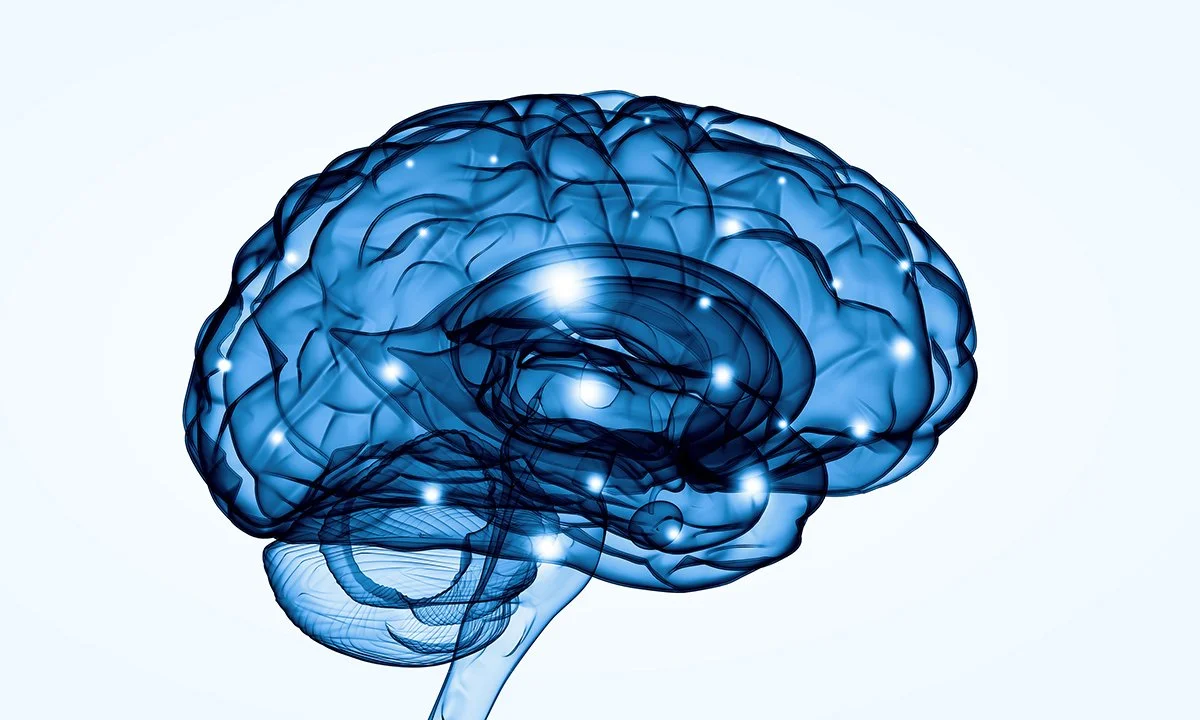
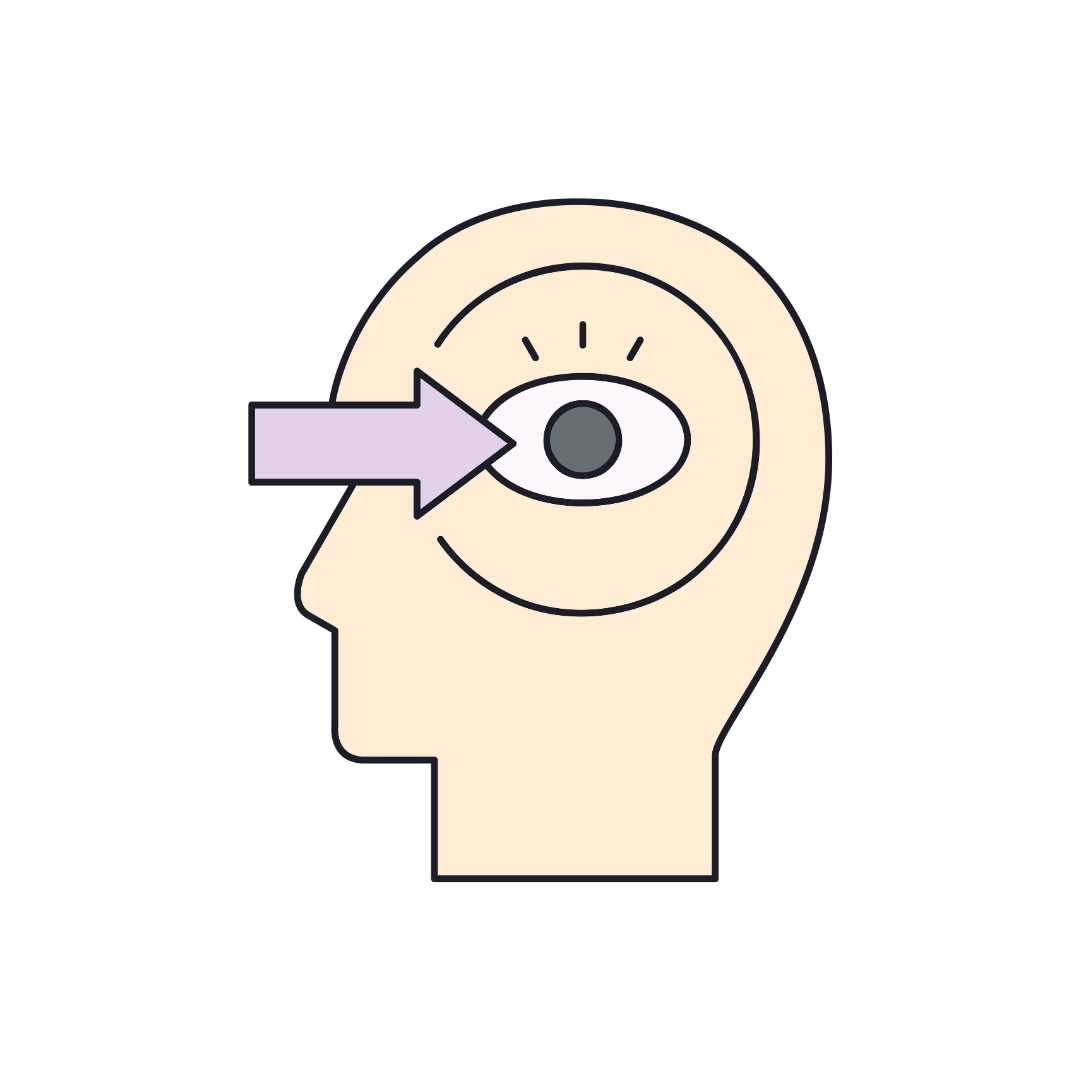
Brainspotting is a therapy that accesses the unprocessed traumatic experiences by bringing about greater physiological regulation in the body and the brain. This helps to decrease the intensity of the impact of the traumatic memories and to process the traumatic memory. Brainspotting therapy uses an eye position in the visual field that links with a spot in the brain that holds the traumatic experience as an unprocessed memory. This shift removes the intensity of the trauma memory, allowing the person to react in the moment without the past interfering and taking over..
Brainspotting is a trauma therapy widely used around the world. Traumatic experiences tend to overwhelm the brain’s processing leaving pieces of the unprocessed traumatic events frozen in time in capsule-like form in the brain. As a result, this physiological dysregulation occurs in the nervous system and for some people may take the form of flashbacks, disrupted sleep, and increased anxiety..
What can Brainspotting help with?
Brainspotting therapy can help individuals process and heal from experiences that feel overwhelming, stuck, or hard to put into words. It is especially helpful for trauma, grief and loss, anxiety, depression, chronic stress, and emotional pain held in the body. By gently accessing where the brain and body store distress, Brainspotting supports deep emotional healing, increased self-awareness, and a sense of relief and regulation—at a pace that feels safe and supportive for each person.